


Course Introduction / Overview
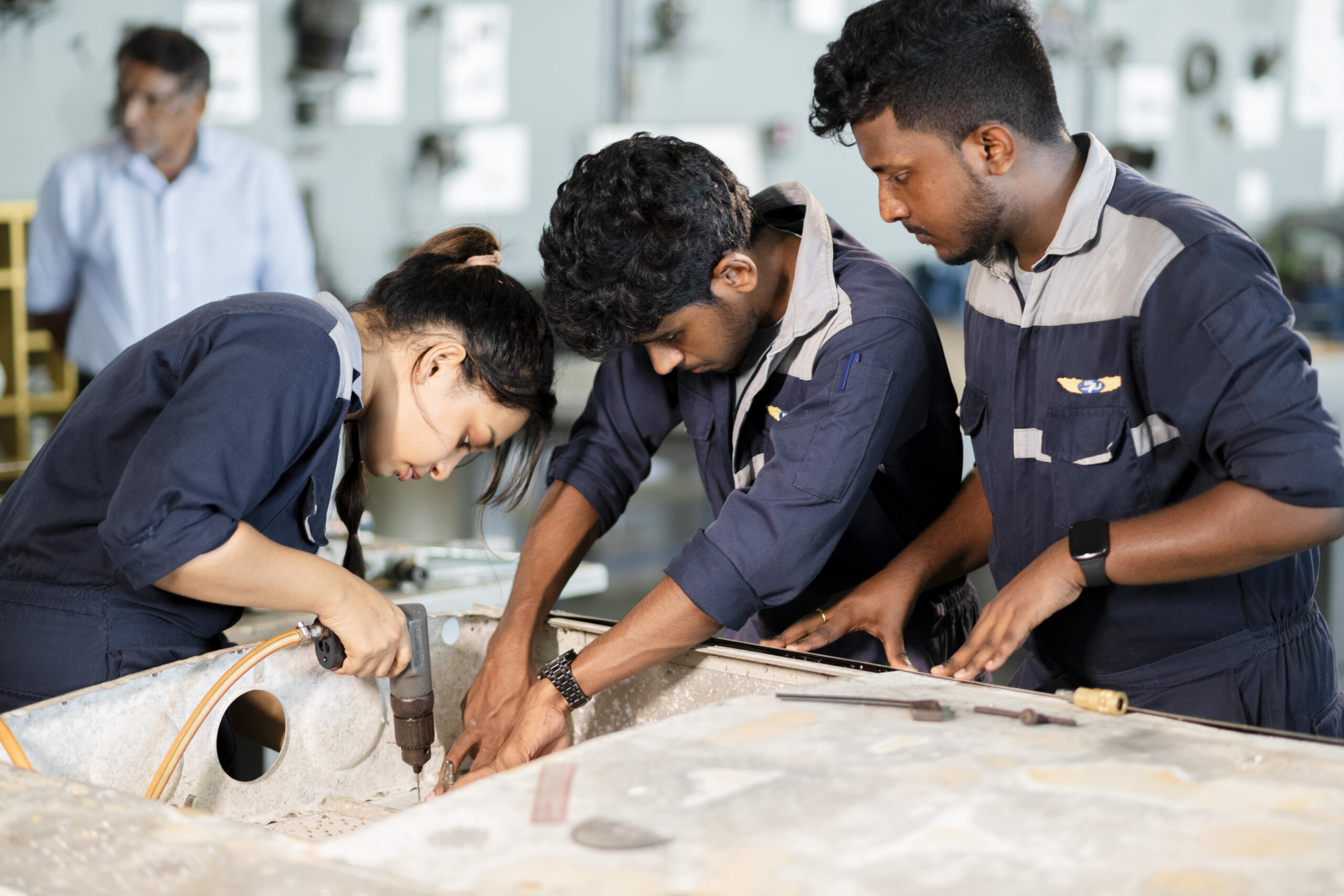
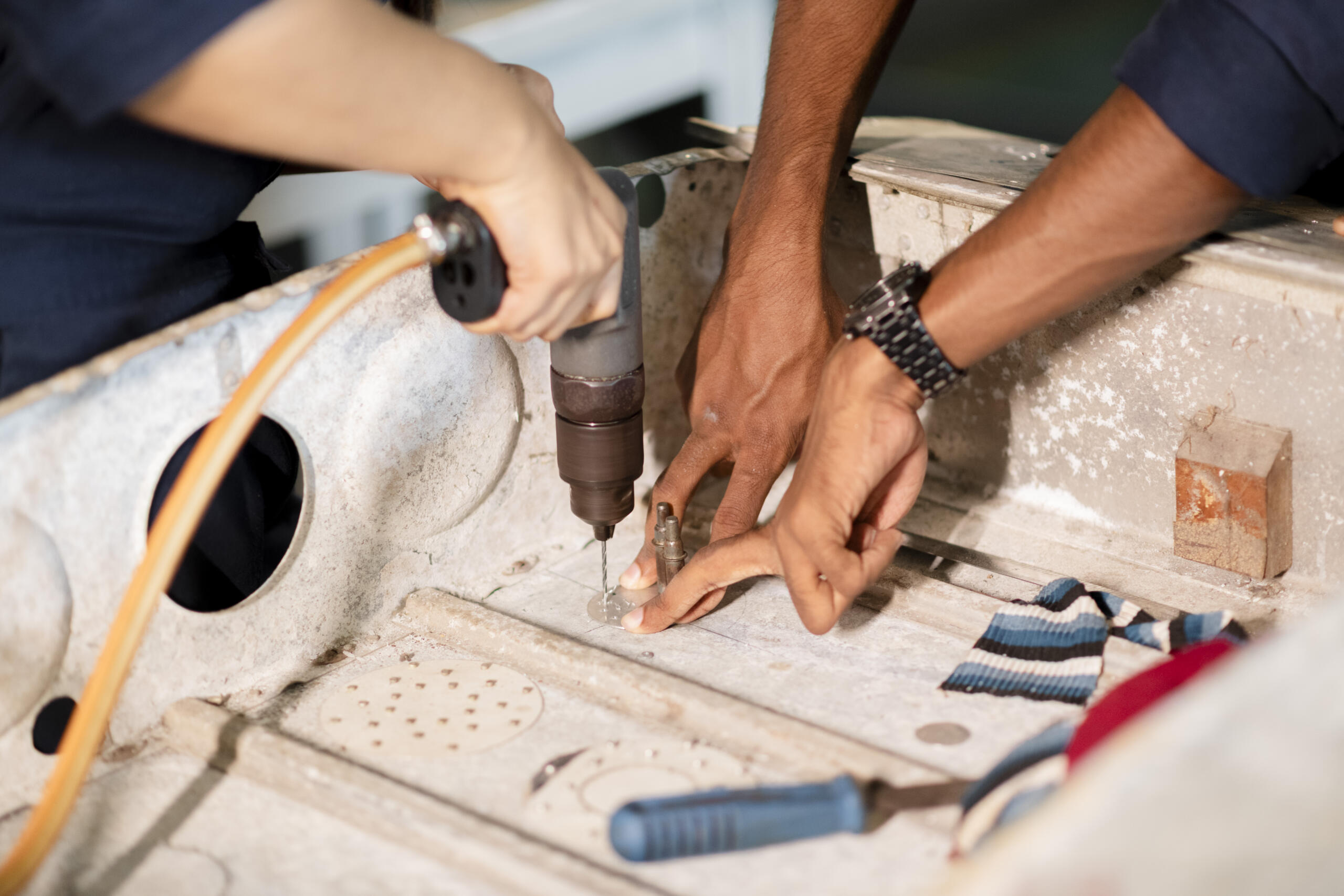
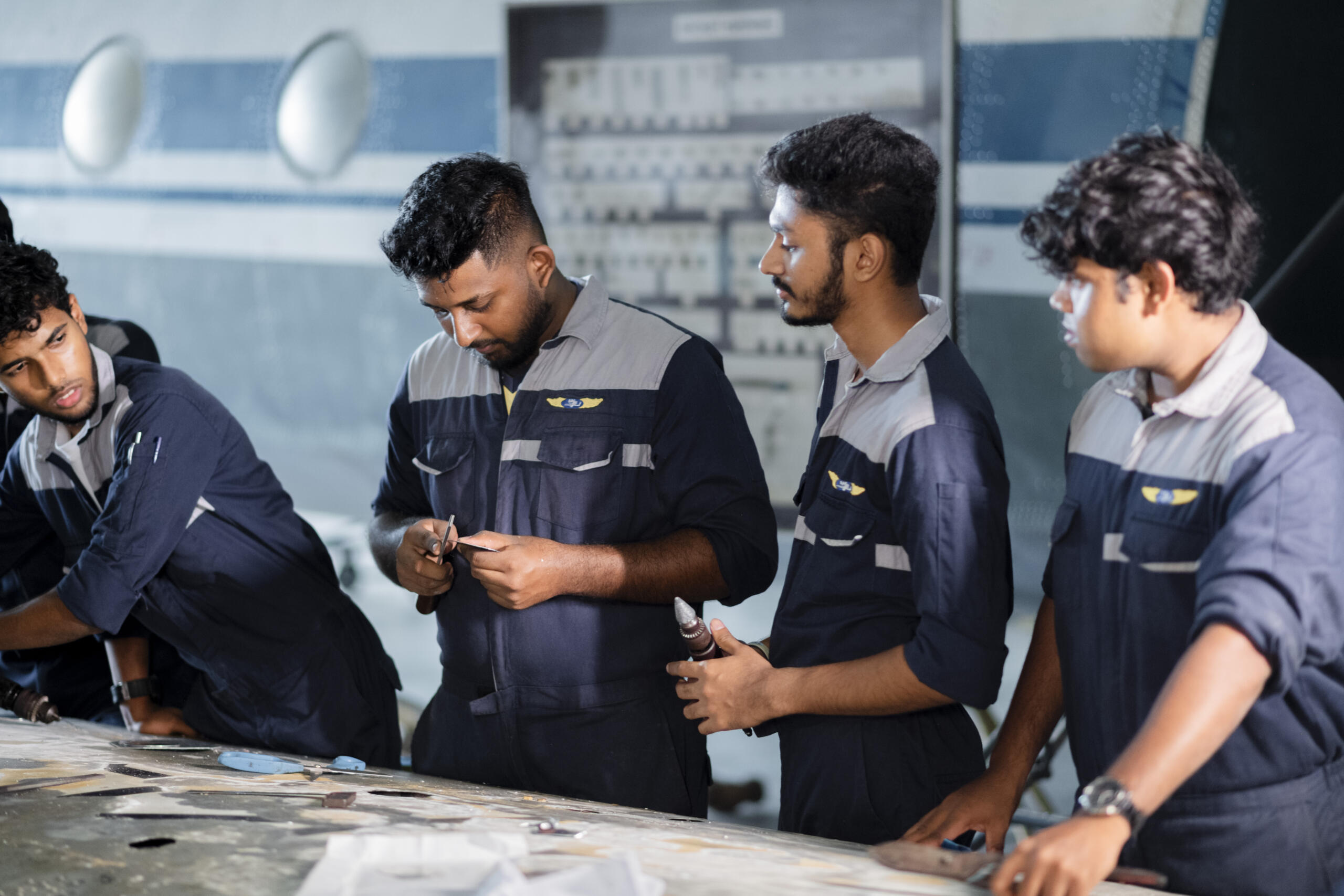
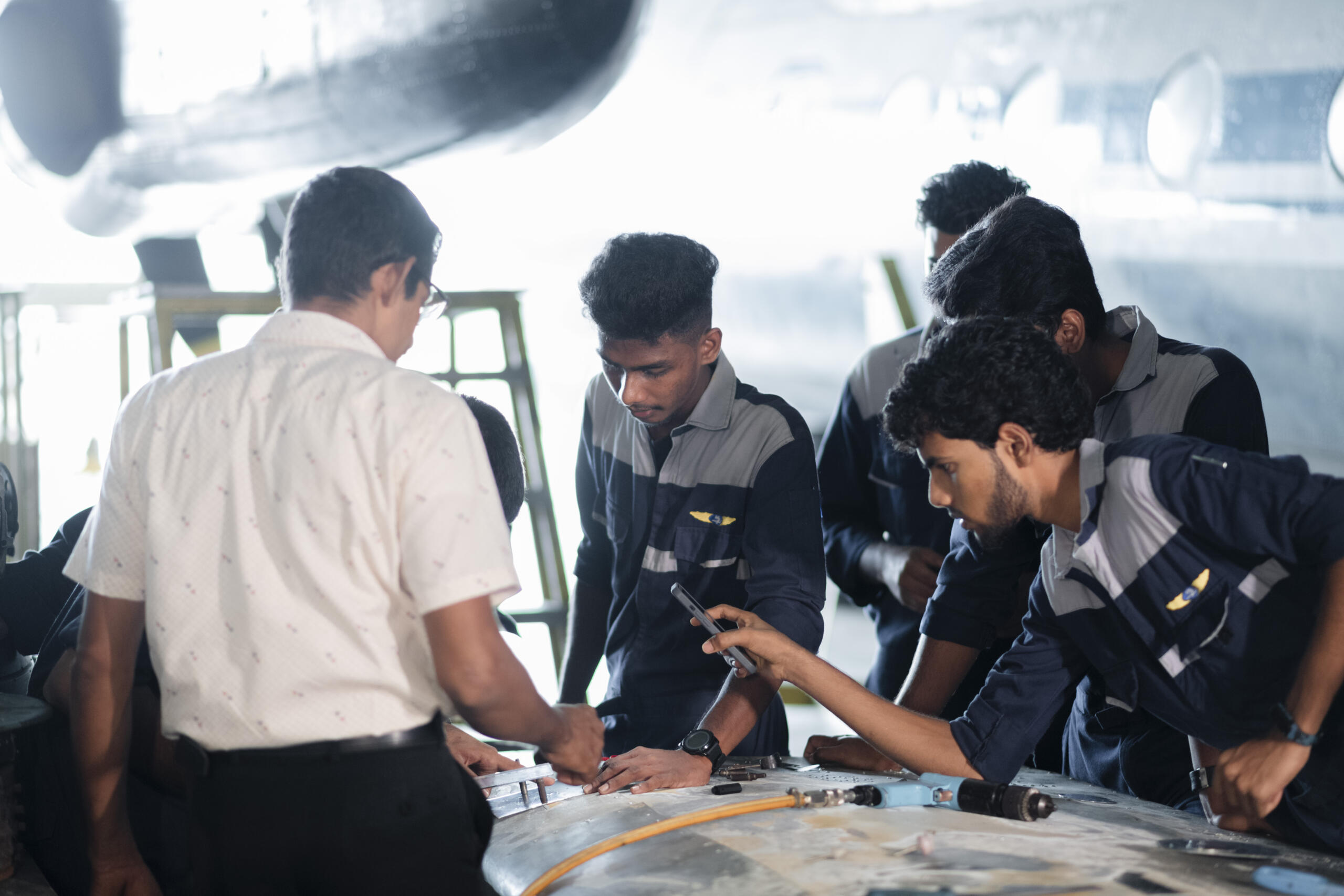
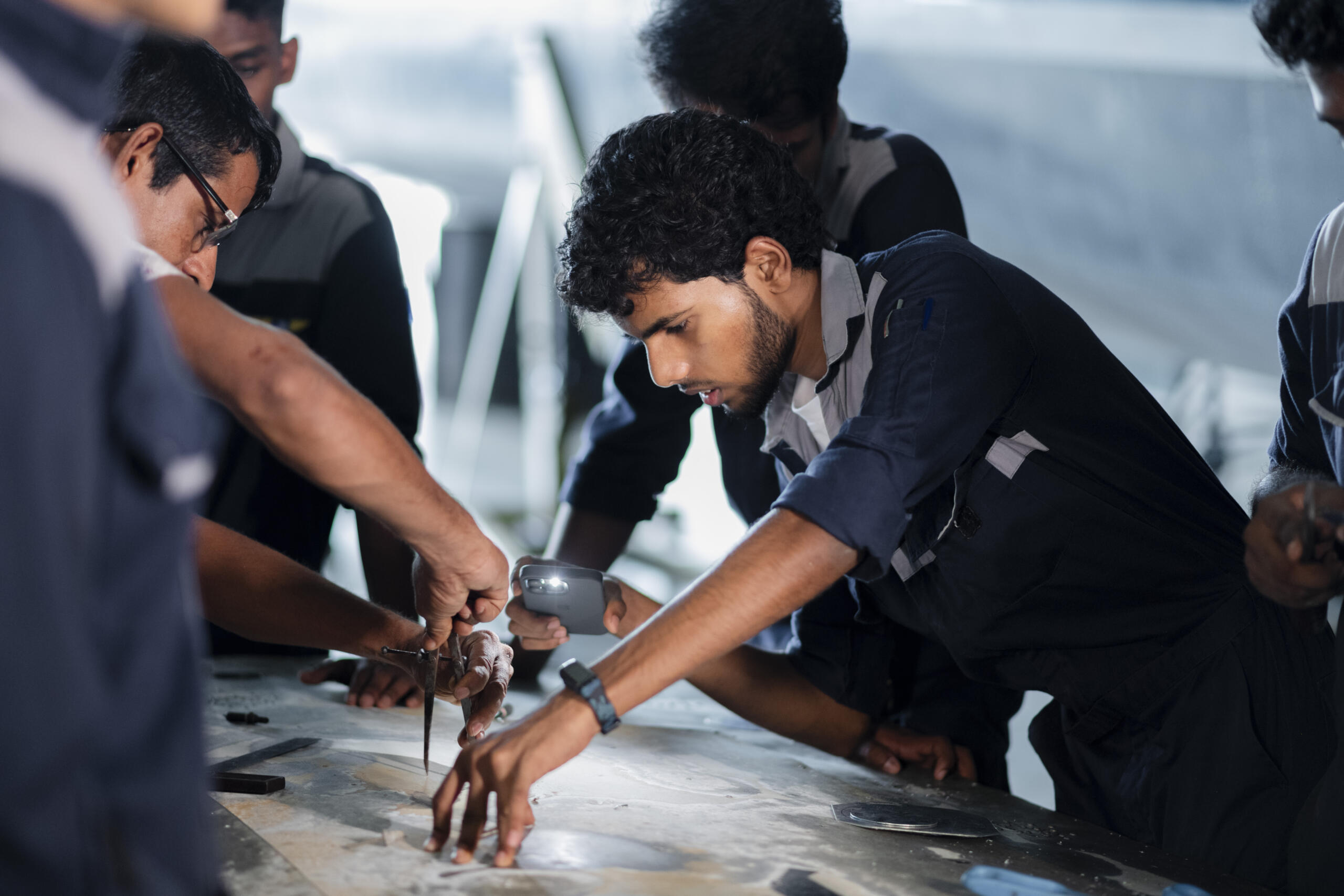
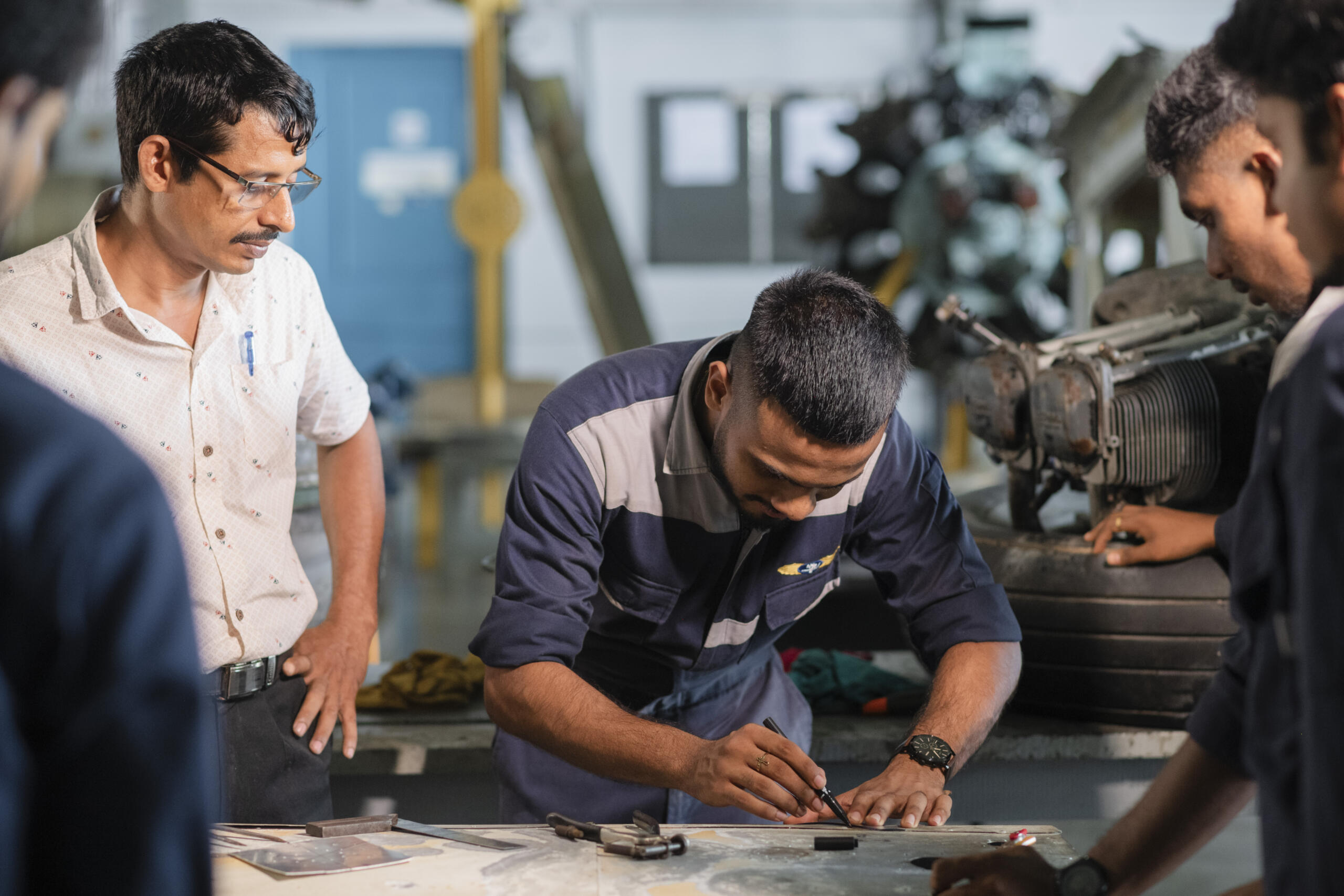
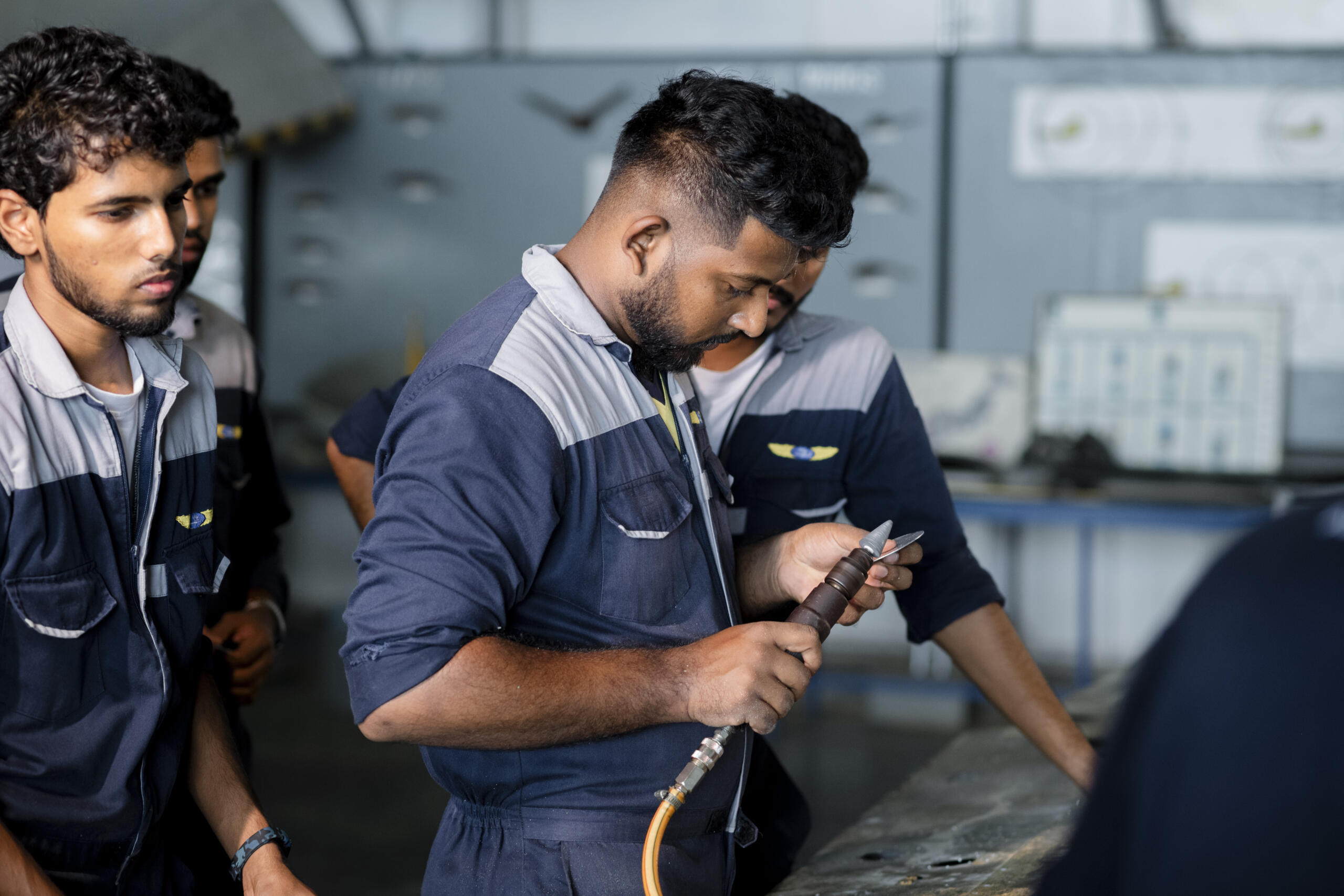
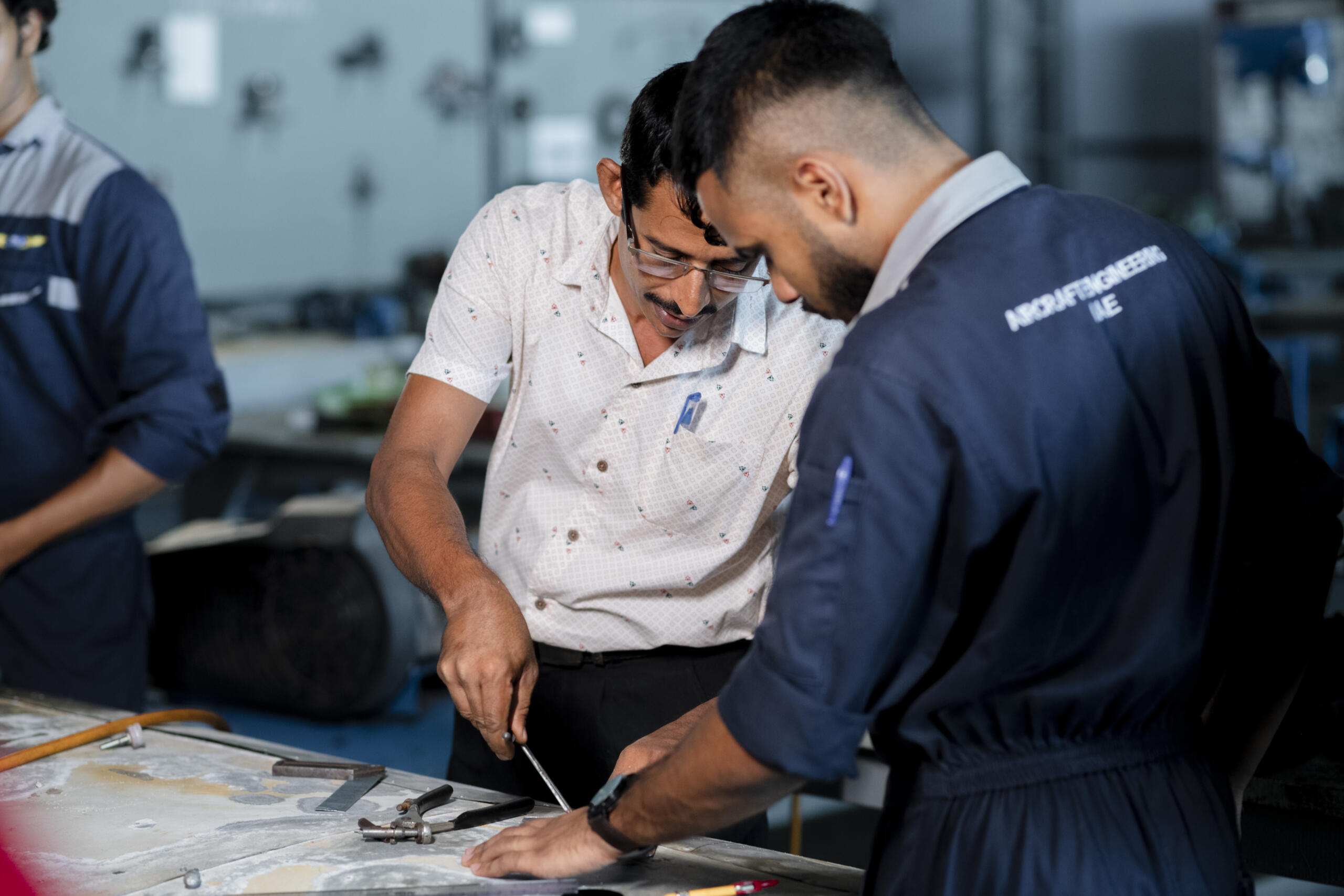
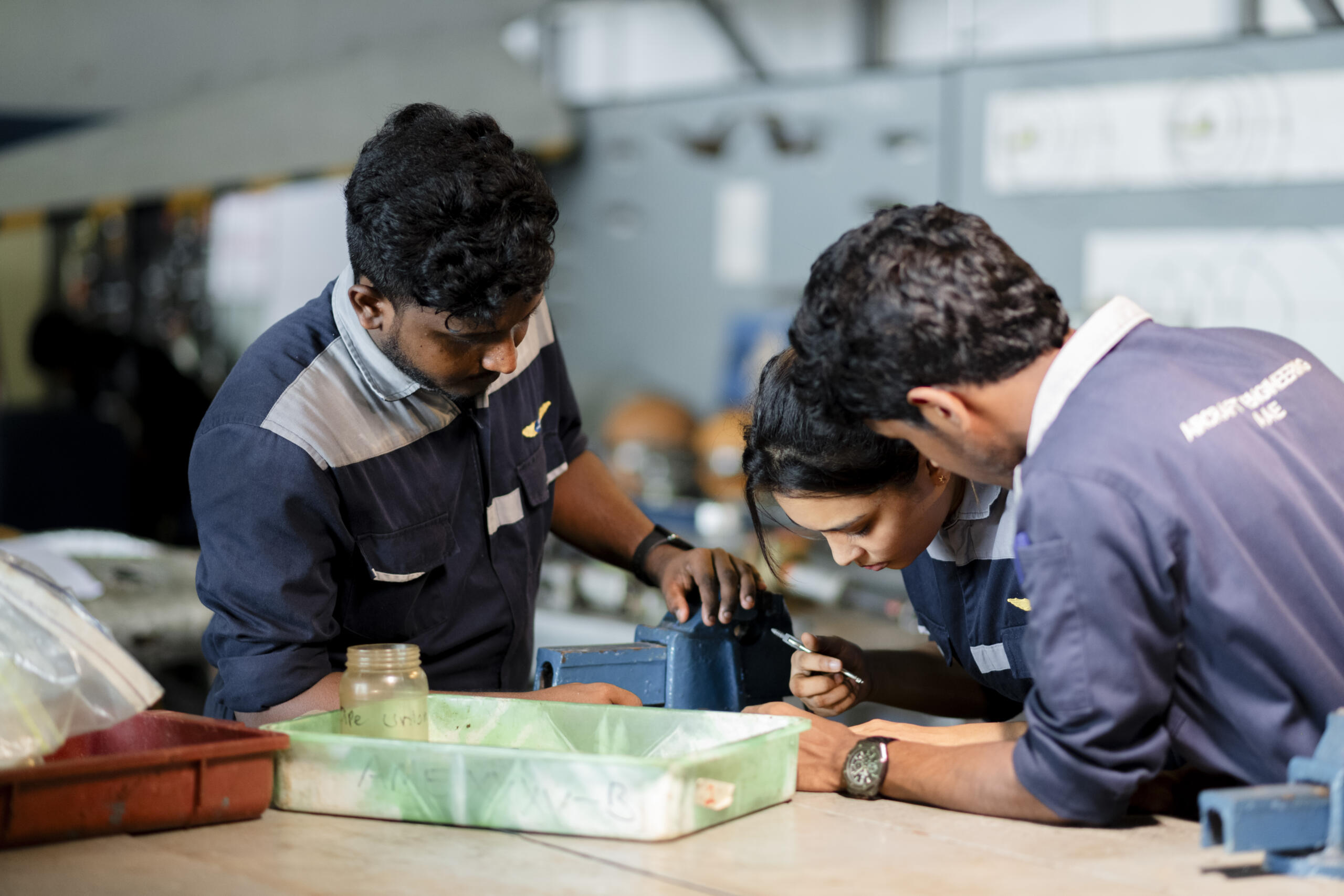
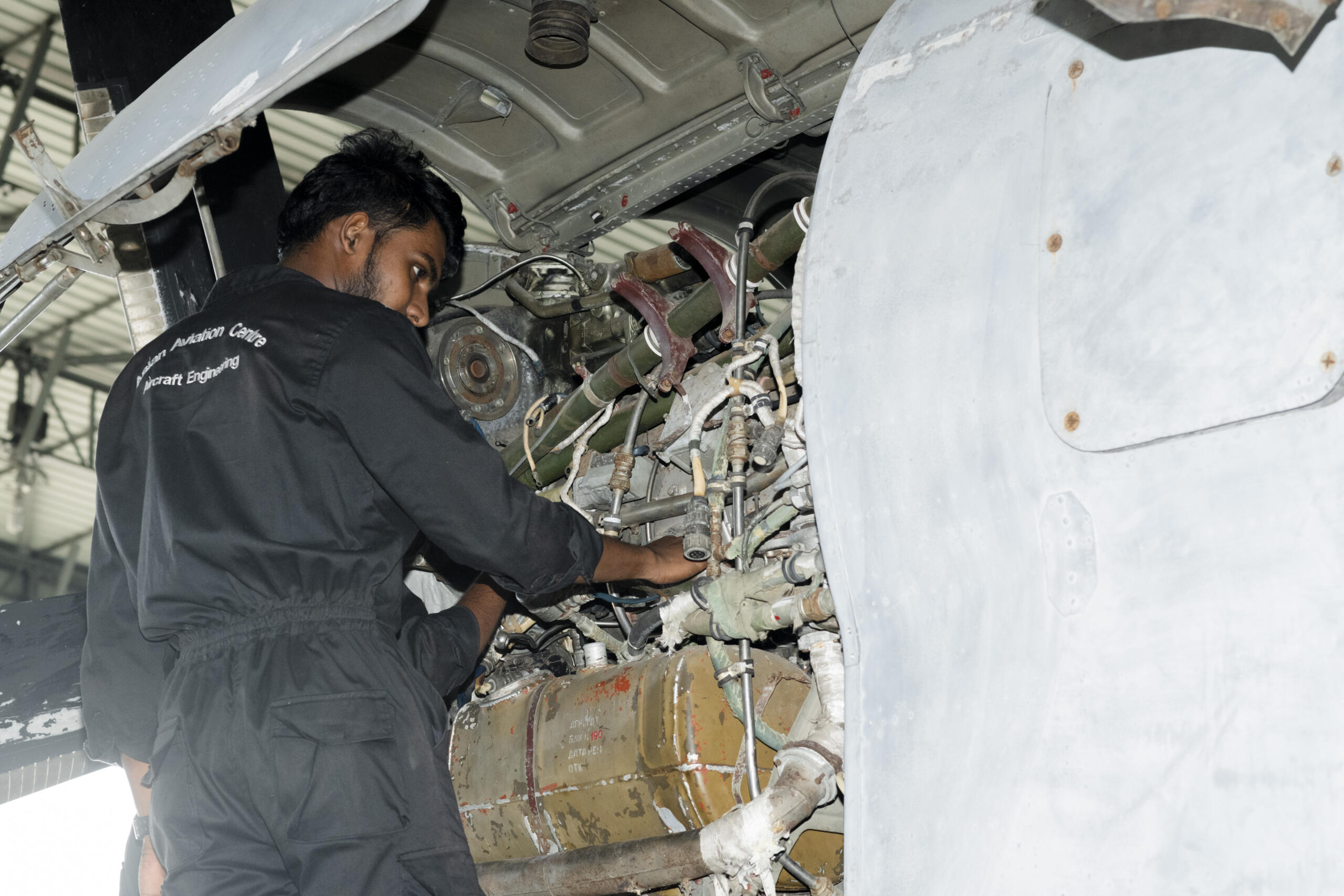
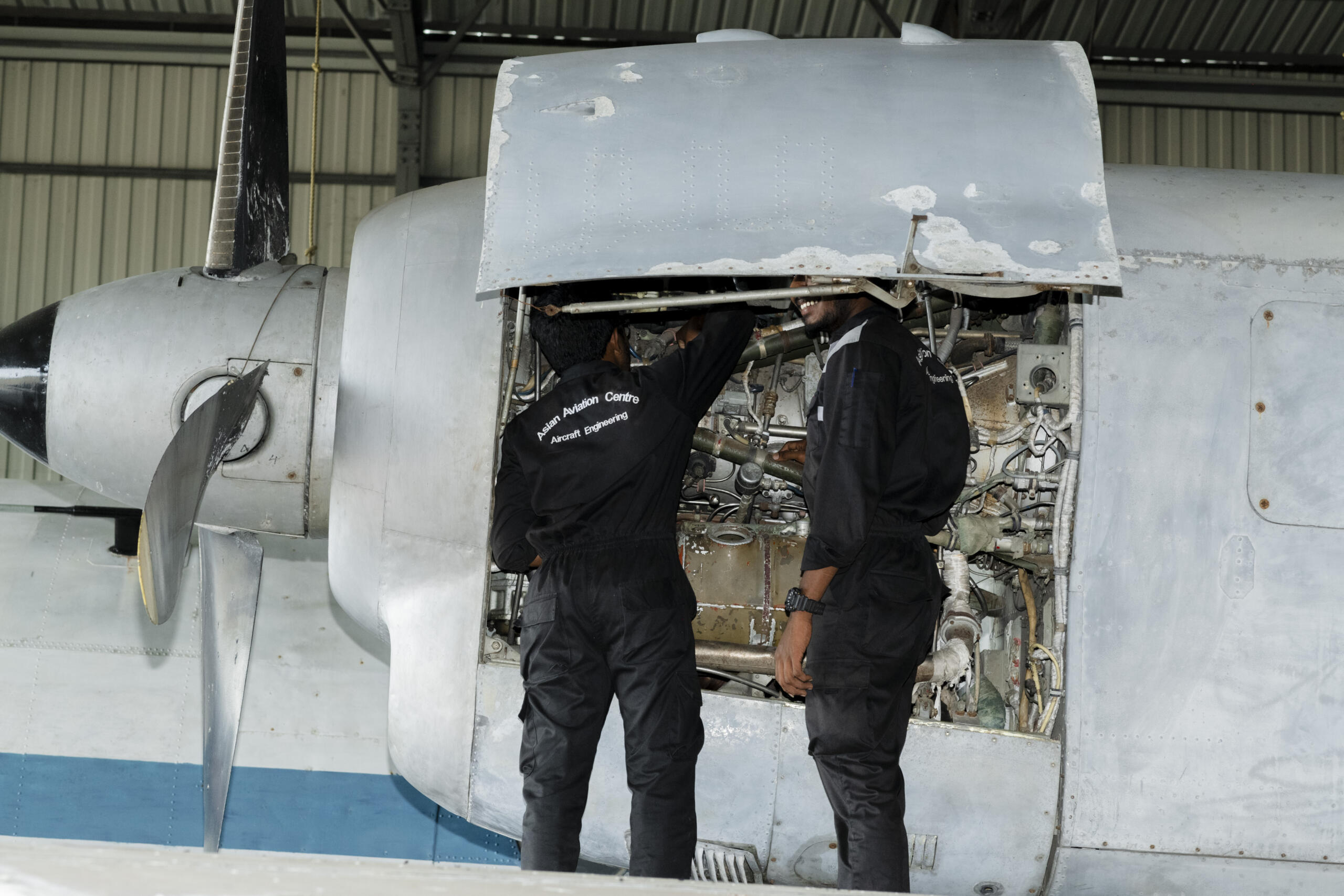
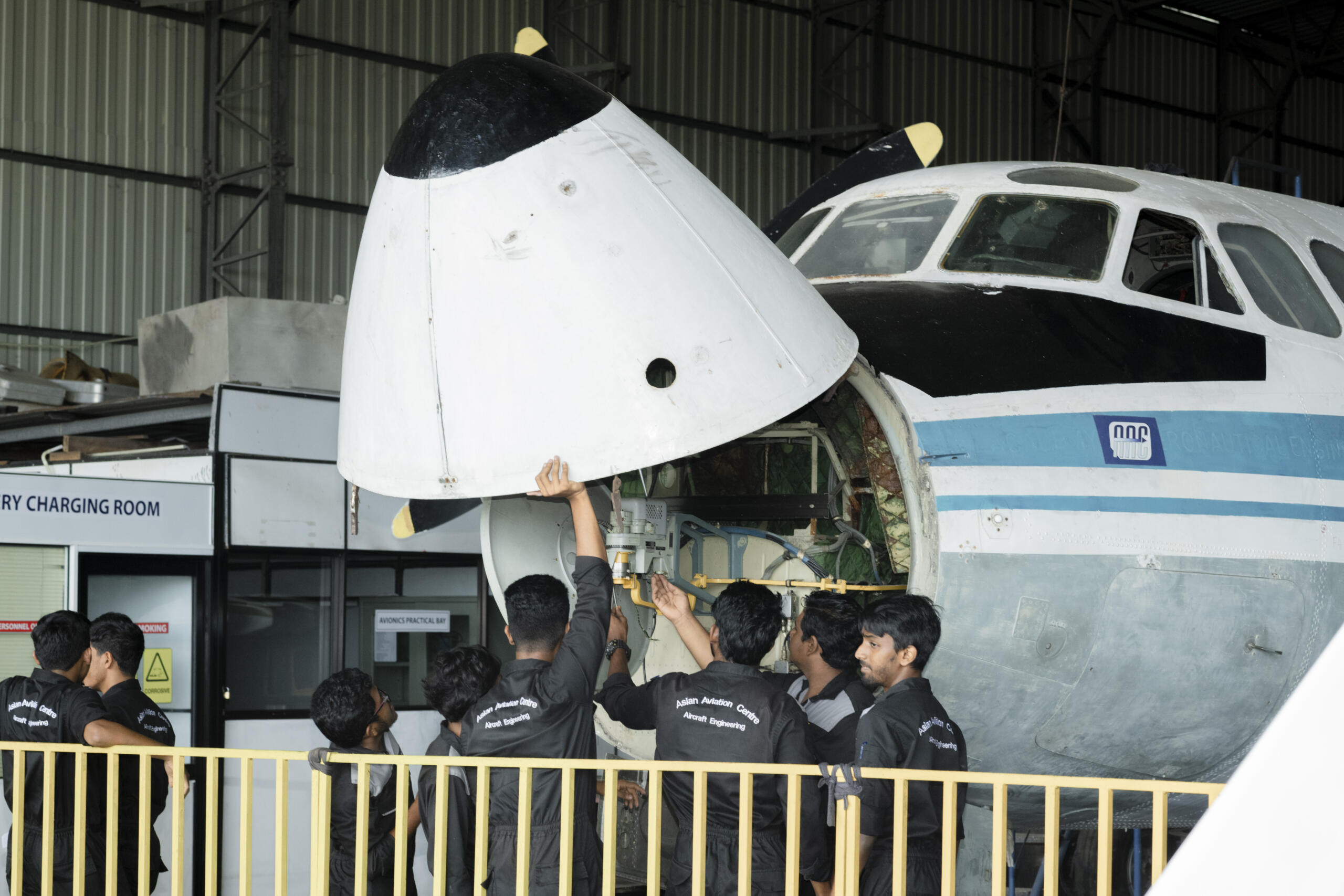
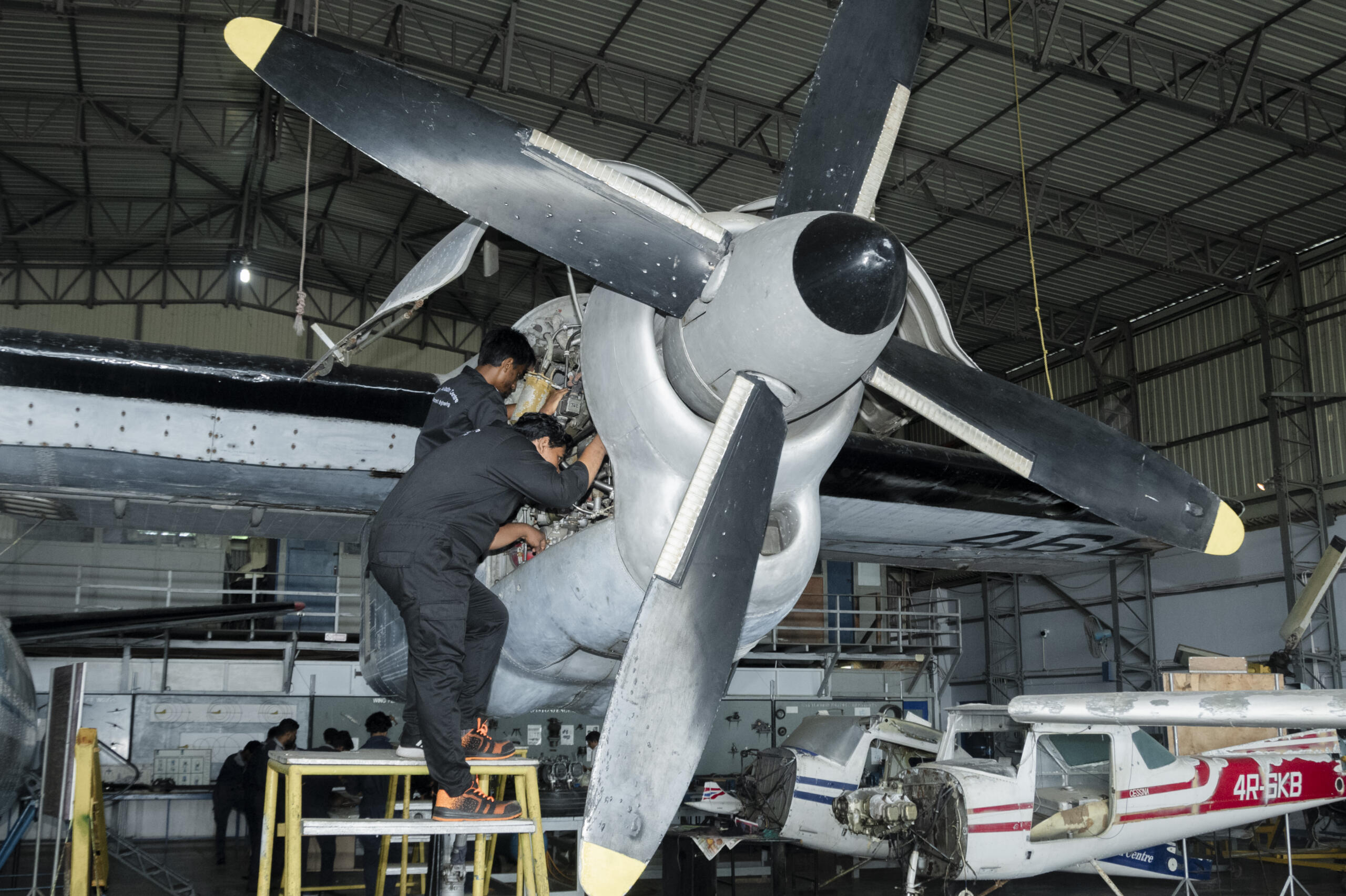
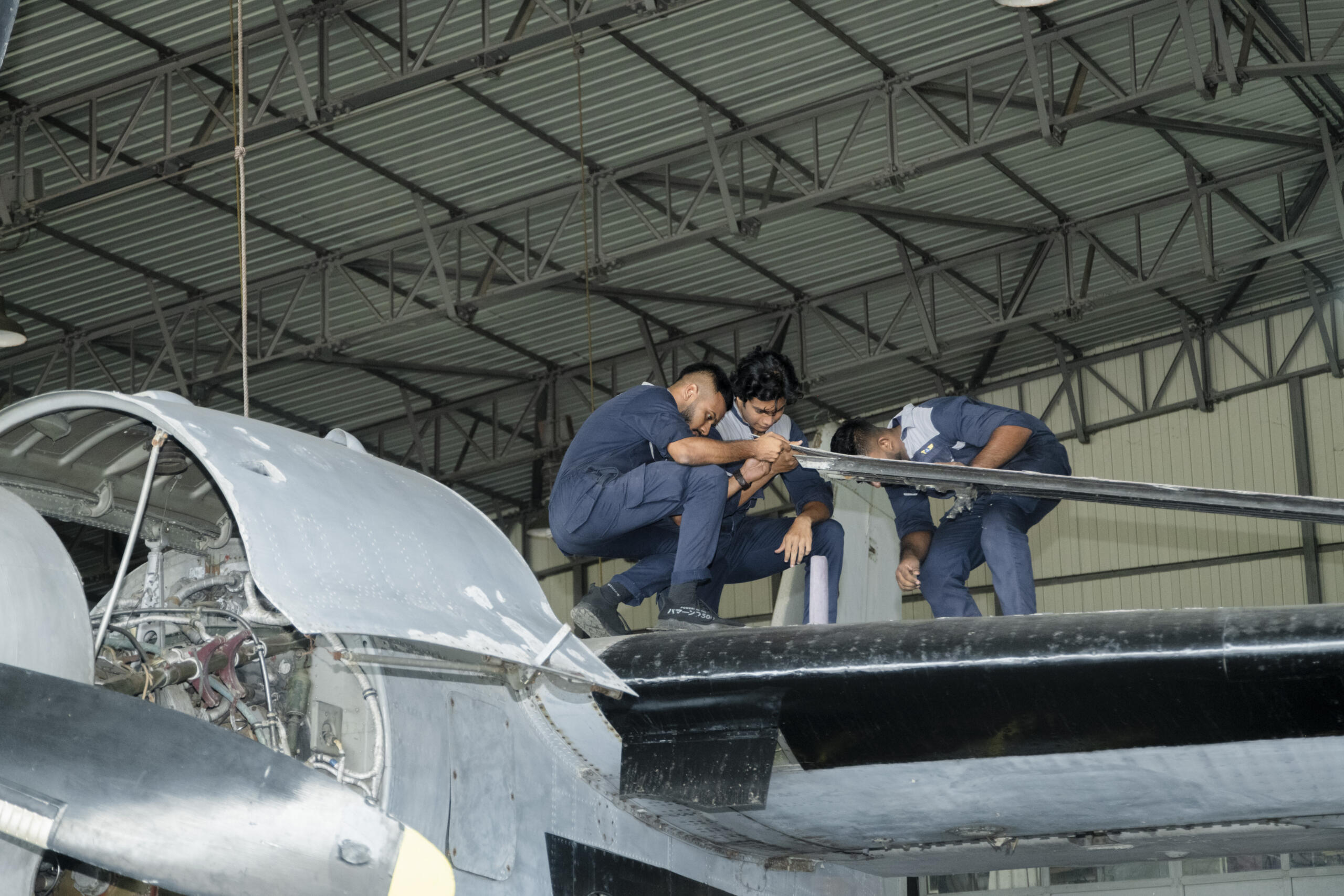
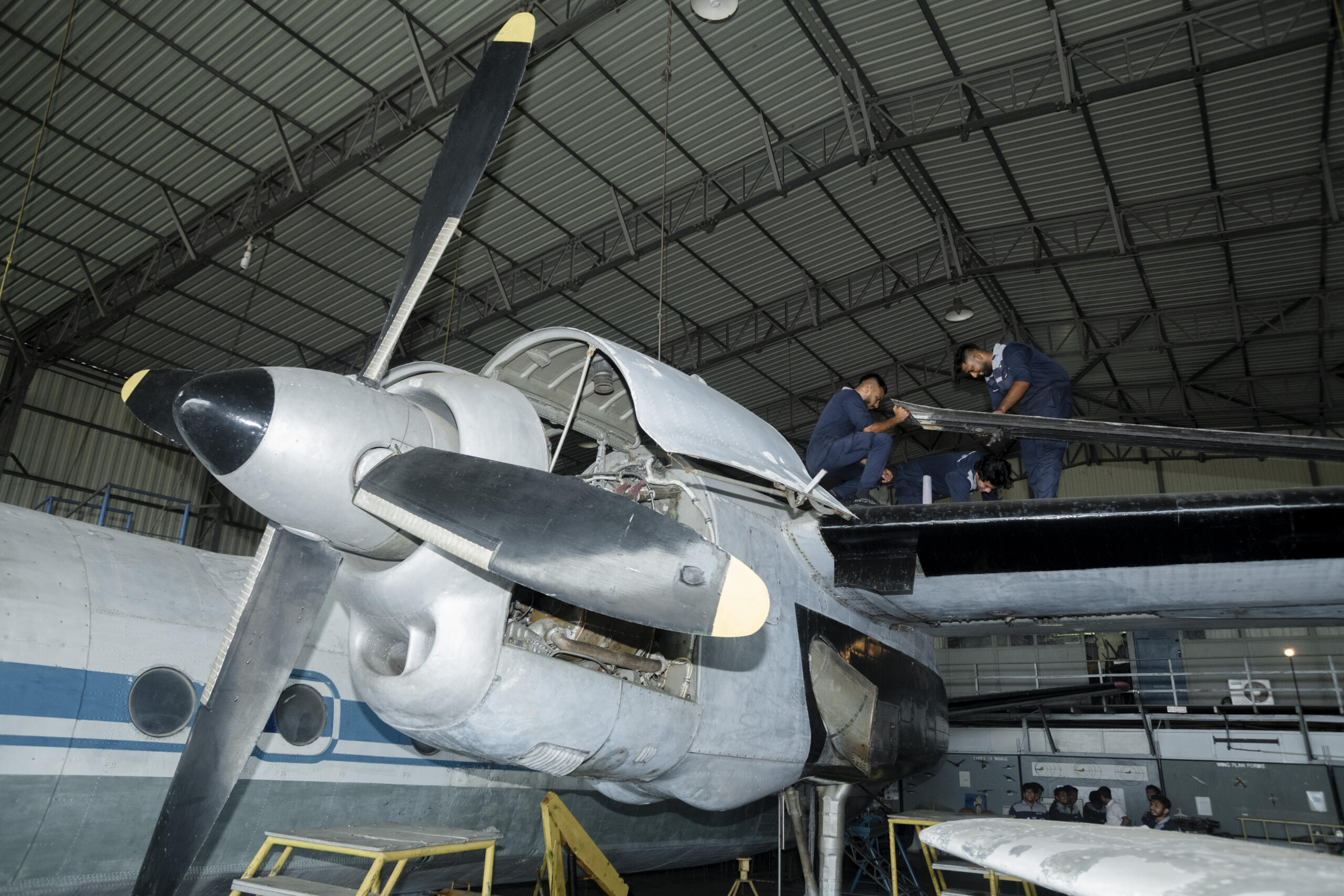
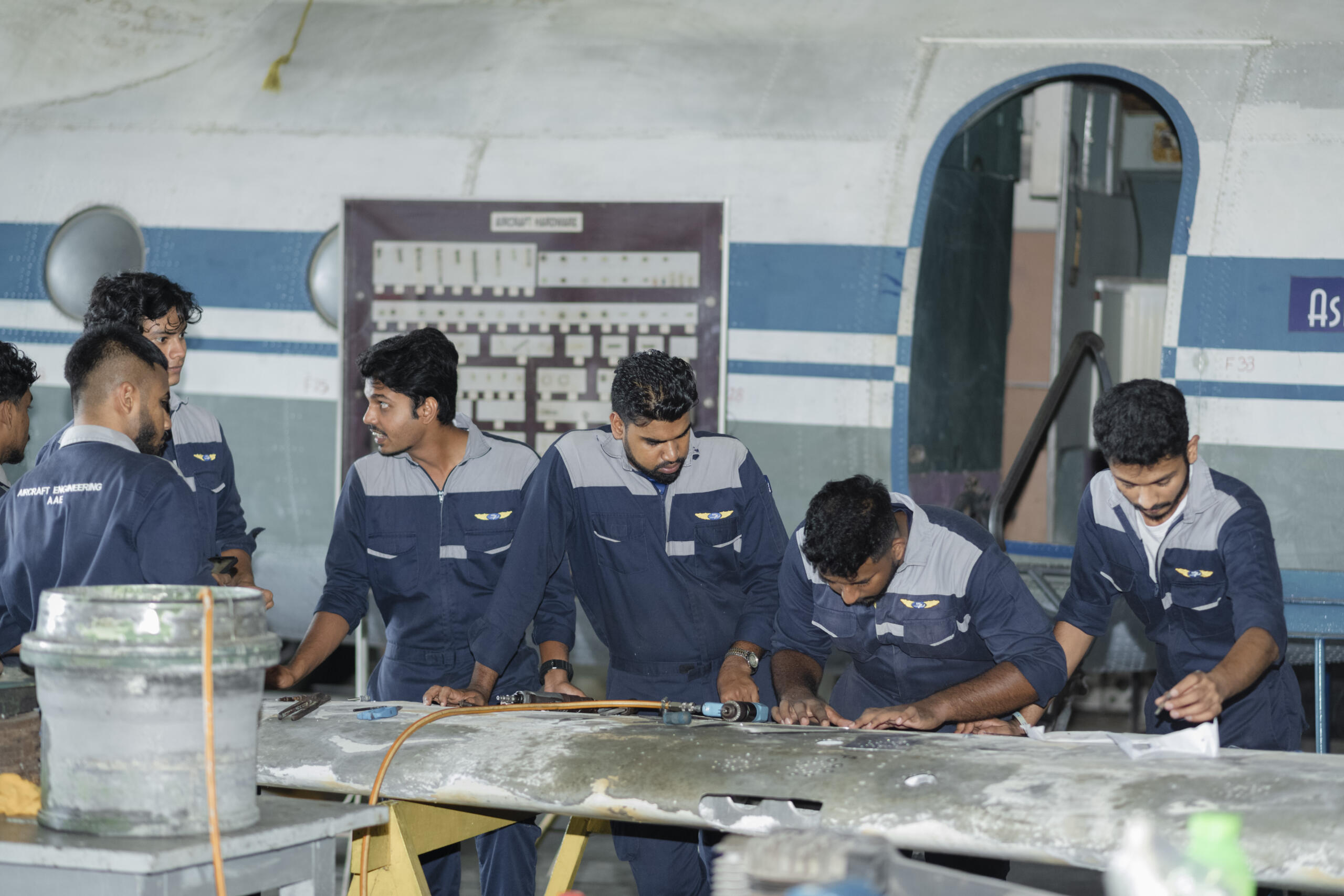
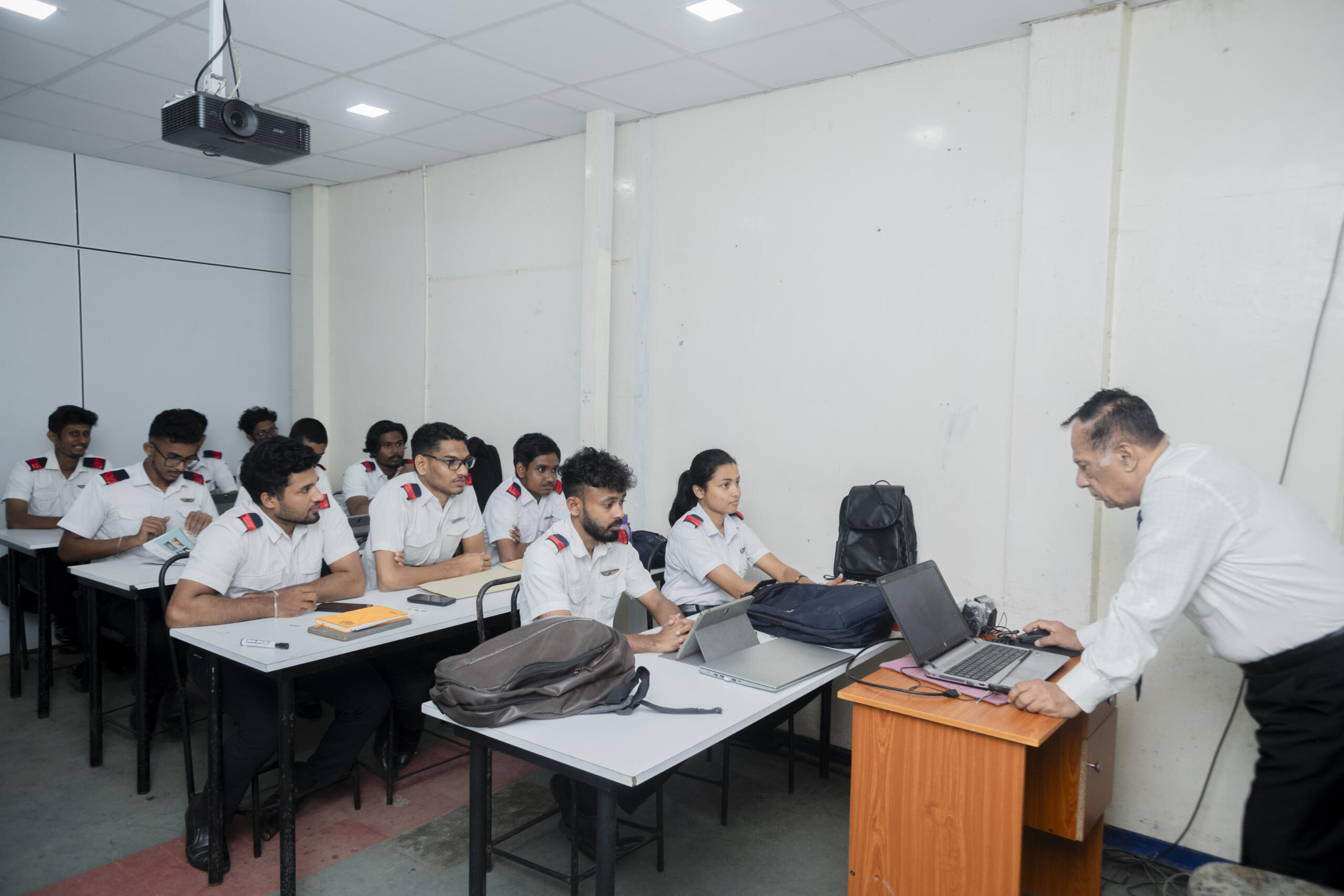
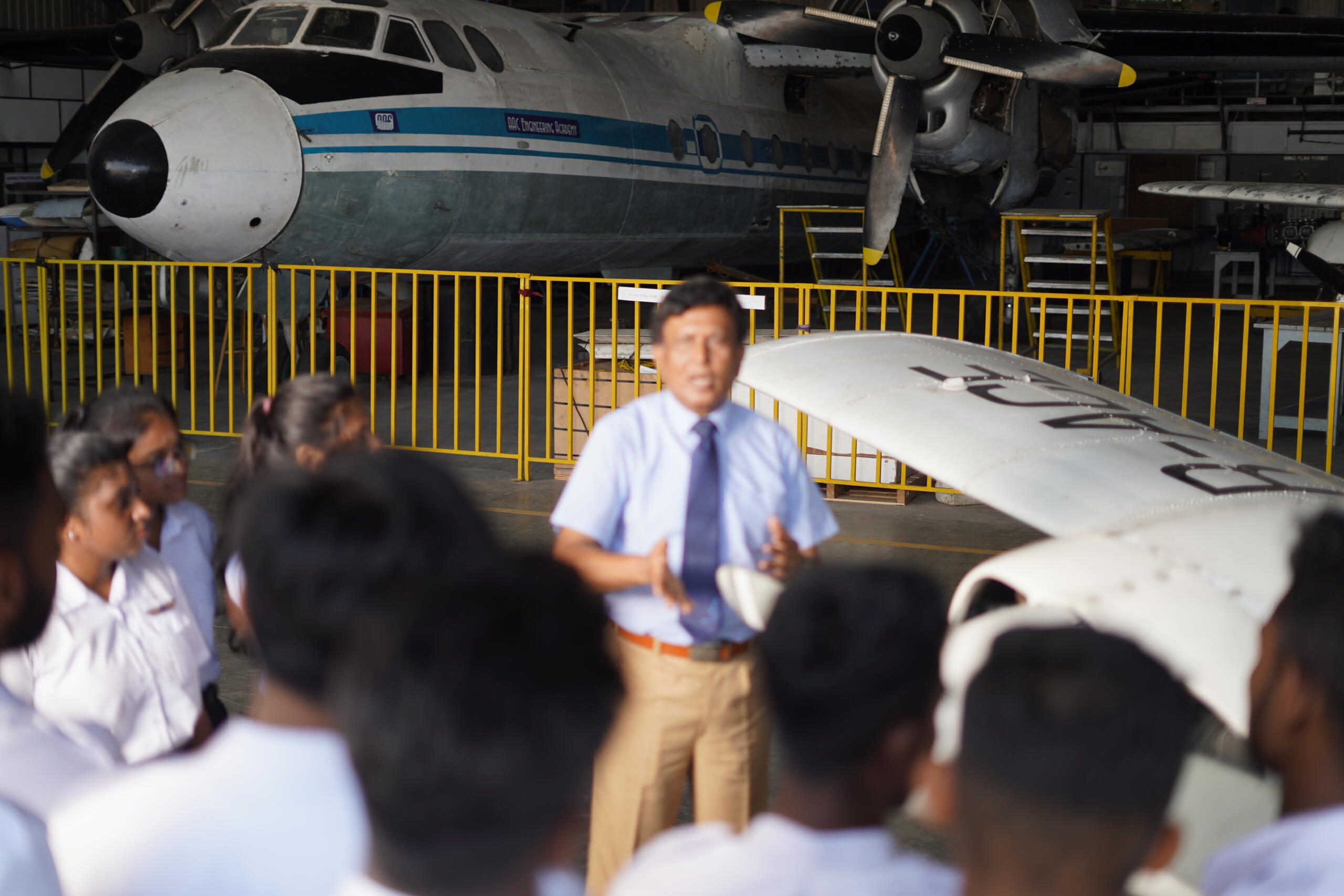
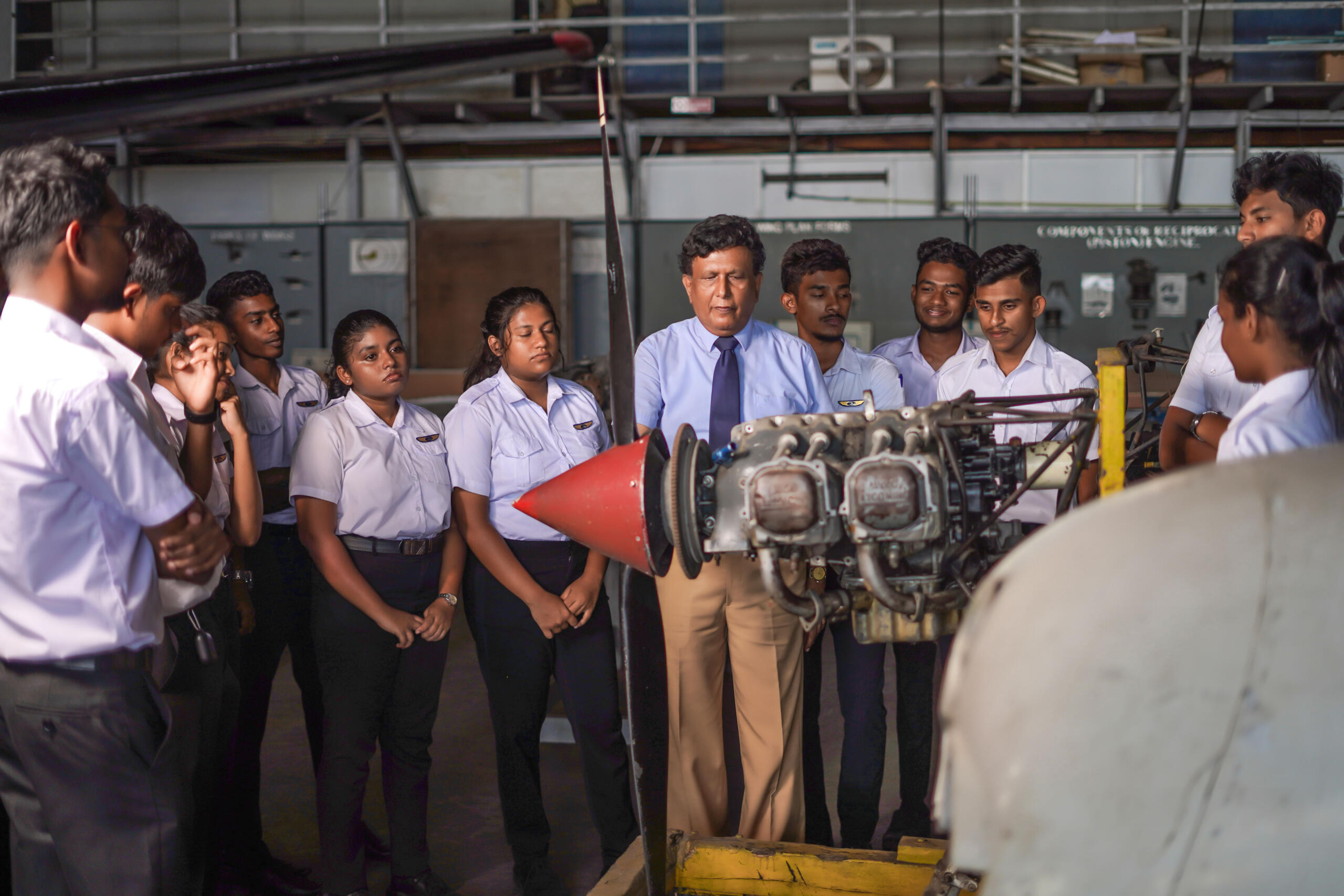
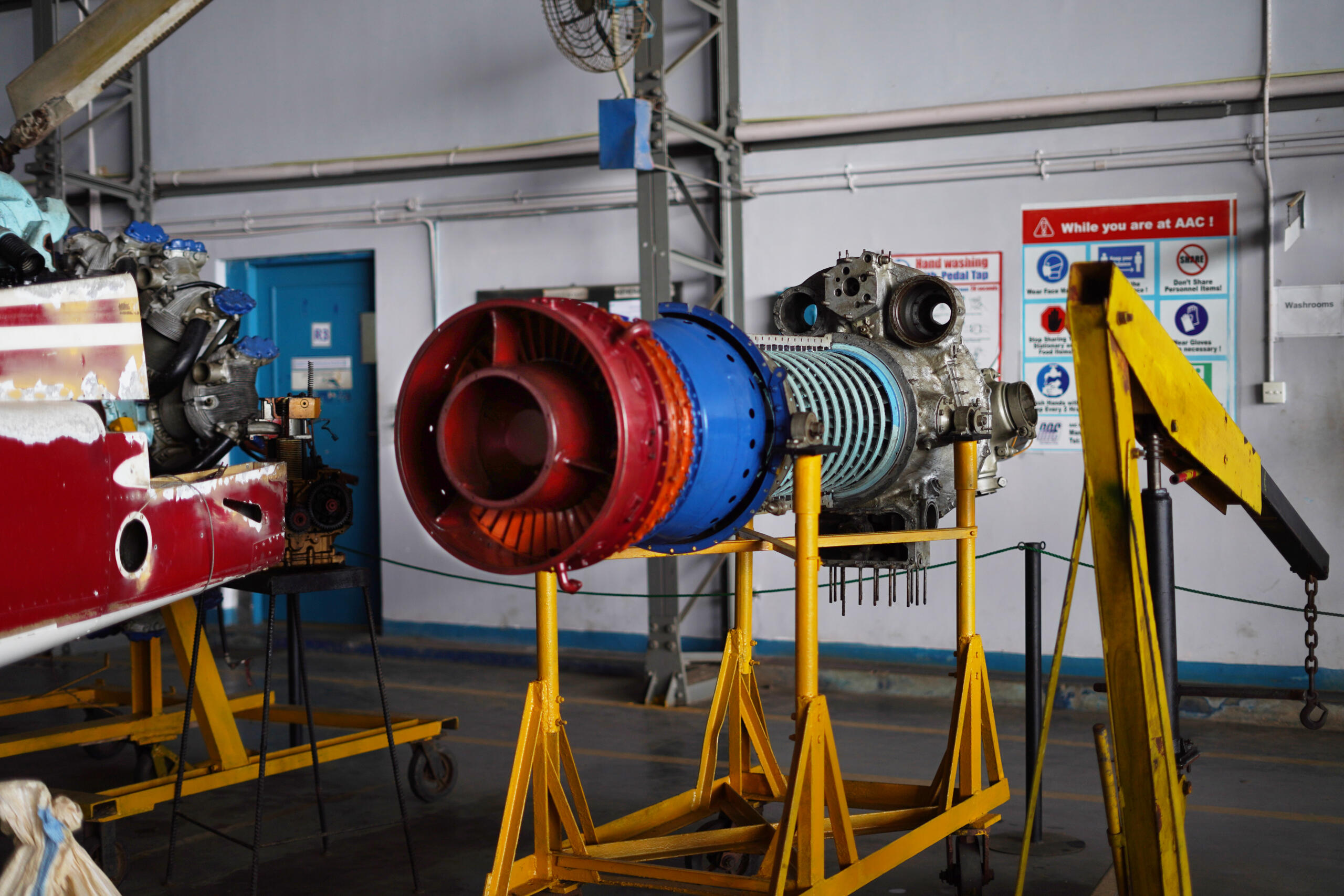
Aircraft maintenance is the technical process that is performed on the aircraft while it remains in line or in base and aircraft are required for maintain and restore their integrity and performance to keep them in good working condition. Absence of or Improper aircraft maintenance and inspections can lead to major issues and could even lead to accidents resulting in colossal financial losses and probably fatalities. Appropriately qualified and suitably trained aircraft maintenance personnel are a prerequisite for ensuring proper maintenance of aircraft.
AACEA’s Aircraft Maintenance Engineering Courses are designed to equip the students with knowledge and skills necessary to perform aircraft maintenance, initially as mechanics or technicians and excel as professionals by subsequently obtaining aircraft type ratings and becoming aircraft maintenance type rated engineers.
The Aircraft Maintenance Engineering EASA B1 / B2 Knowledge Training and Examinations Courses offered by AACEA in collaboration with Suntech Ltd of Medvode, Slovenia, an EASA Part-147 approved Maintenance Training Organization (SI.147.005) and Tailwind Systems of Brisbane, Australia, a Systems Integrator for the EASA Program in the Austral/Asia Pacific Region, provide a unique opportunity for students (and already employed aircraft maintenance staff) to become European Aviation Safety Agency (EASA) Licenced Aircraft Maintenance Engineers. EASA issues two main licences for aircraft maintenance: Category B1 and Category B2, where B1 licence has four sub-categories, i.e., B1.1 – Aeroplne Turbine, B1.2 – Aeroplane Piston, B1.3 – Helicopter Turbine and B1.4 – Helicopter Piston. These licences are defined under EASA Part-66 regulation and lead to very different responsibilities and types of work in aviation. Students are able to obtain either EASA B1 licence specializing in mechanical systems like engines, airframes, hydraulics, and fuel systems or EASA B2 licence specializes in avionics and electronic systems, controlling communications, navigation, and instruments or both B1 and B2 licences.
In today’s competitive aviation maintenance environment, pursuing both B1 and B2 licences represents a strategic career investment that delivers significant returns.
While B1 licence qualifies a person for mechanical systems maintenance and B2 licence covers avionics, modern aircraft increasingly blur these traditional boundaries. Advanced aircraft integrate sophisticated electronic controls with mechanical systems. By mastering both domains, a person could develop a holistic understanding that allows troubleshooting of complex, interconnected problems that single-licence technicians might struggle with.
With relatively modest additional effort beyond a single licence path, one can enhance the employability and earning potential significantly and the EASA B1 / B2 Knowledge Training and Examinations programme at AACEA is one of the best pathways available to achieve this.
The Aircraft Maintenance Engineering EASA B1 / B2 Knowledge Training and Examinations Courses provide students with online e-books, which provide comprehensive technical content necessary for a licensed engineer to comply with EASA requirements for the license categories (B1 or B2), on-line video lessons to offer additional help in the studying process, which, in addition to the eBooks, explain the content of eBooks in a simpler way with a lot of hands-on-material, on-line live briefings in a virtual classroom where students can get any examples of essay writing, added explanation, calculation exercises and much more. Further, pre-examination review sessions and optional consultations to discuss any unclear topics with the examiner are made available for students. Students are entitled for the first examination attempt and are allowed a second attempt at no additional cost, if the student fails the first examination attempt. Suntech will issue EASA Certificates of Recognition to students who successfully pass the examinations.
The Aircraft Maintenance Engineering EASA B1 / B2 Knowledge Training and Examinations Courses offered by AACEA could be best followed in conjunction with AACEA’s B1.2 Basic Training Course and B1.1 Conversion Training Course whereby students could benefit from the full live delivery of module contents. However, students could also follow only the Aircraft Maintenance Engineering EASA B1 / B2 Knowledge Training and Examinations Courses where students will benefit from a 400 hour programme of instructor-led on-line delivery sessions covering all applicable modules offered by AACEA.
Students following the Aircraft Maintenance Engineering EASA B1 / B2 Knowledge Training and Examinations Courses at AACEA will have to undergo Maintenance Experience Training at any approved facility maintaining aircraft correspond to the licence category required to fulfill the experience requirement for Aircraft Maintenance Licence.
Course Content
Both the B1 and B2 Aircraft Maintenance Engineering EASA Knowledge Training and Examinations Courses have identical basic modules (with some exceptions in modules 4,5 and 7), which are:
a. Module 1 – Mathematics
b. Module 2 – Physics
c. Module 3 – Electrical Fundamentals
d. Module 4 – Electronic Fundamentals
e. Module 5 – Digital Techniques & Electronic Instrument Systems
f. Module 6 – Materials and Hardware
g. Module 7 – Maintenance Practices
h. Module 8 – Basic Aerodynamics
i. Module 9 – Human Factors
j. Module 10 – Aviation Legislation
After basic modules, the differences start. B1 modules focus on mechanical systems and consist of the following modules:
a. Module 11 – Turbine / Piston Aeroplane Aerodynamics, Structures & Systems
b. Module 16 – Piston Engines
c. Module 17 – Propellers
B2 modules will go deeper into the following modules:
a. Module 13: Aircraft Aerodynamics, Structures & Systems
b. Module 14: Propulsion
| Training Type | No.of Hours | Covering Modules |
|---|---|---|
| Knowledge Training | 1000 hrs | All Subject Modules |
| Practical Training | 1000 hrs | 03, 04, 05, 06, 07A, 08, 11B, 16 and 17A |
| Live Maintenance Training | 300 hrs | Included within the Practical Training |
Other Information
The Aircraft Maintenance Engineering EASA B1 / B2 Knowledge Training and Examinations Courses offer students an opportunity to embark in further education and earn an academic degree in the field of aircraft maintenance. AACEA has arrangements in place for students successfully completing the EASA programme to join the BSc (Hons) Aircraft Engineering (Top-up) Degree offered by Kingston University, of London, UK, through an Applied Foundation Degree conducted by the Kingston University and achieving the required English Language competency. A similar opportunity is also available to join the BSc (Hons) in Aircraft Maintenance Engineering and Management of the University of the Highlands and Islands of Inverness, Scotland, UK.
The Course Management Staff & Teaching Team
BSc Module lecturers with related modules
Director Studies
Wg. Cdr. Lasantha Gunasinghe SLAF (Ret’d)
Manager Quality Assurance
Mr. Dhananjaya Weerasinghe
Course Coordinator
E.M.S. Gunawardhana BEng, MSc, MRAeS
Mr. A M Abeywaradhana – (USP) Ex SLAF Technical Instructor (Specialized in Piston Engines)
- Piston Engines
- Airframes & Systems
- Propellers
- Human Factors
Mr. N G Chandrakeerthi – Ex SLAF Airframe Specialist
- Live Maintenance Training
Mr. I G B Chandrarathna – ABL (B1.1, B1.2, B3) Aircraft Maintenance Engineering Training
- Maintenance Practices
Mr. A R De Silva – Ex SLAF Airframe and NDT Specialist
- Workshop / Aircraft Maintenance Practicals
Mr. B G Mahindasiri – AML (B1.2, B2) Diploma in Radio/ Radar Technology
- Electrical and Electronic Fundamentals
- Avionics
Mr. H M Mantriratne – Ex SLAF Technical Instructor (Specialized in Gas Turbine Engines)
- Airframe & Systems
- Materials & Hardware Maintenance Practices
Mr. H N P Samaranayake – ACS, Diploma in General Comp. Programming
- Information Technology
Mr. M D B Silva – AML (B2) Ex SLAF Technical Instructor
- Electrical Engineering Maintenance Practices
Mr. D Weerasinghe – MSc in Aircraft and Aero-engine Maint. (Kiev) LL.B (OUSL), MBA (Colombo), Cert (Level 4) in Assessment & Workplace Training (AUS)
- Air Legislation
Mr. H S P A Wickrama – Ex SLAF Technical Instructor (Specialized in Aircraft Engines)
- Workshop / Aircraft Maintenance Practicals
Mr. C Ferdinandez (USP) – Ex SLAF Technical Instructor (Specialized in Helicopters and Supersonic Aircraft)
- Airframe & Systems
- Aerodynamics
- Helicopters
Mr. E M S Gunawardhana – fdEng Aircraft Eng, BEng (hons) Aircraft Eng (Kingston), MSc Aero Eng (Queen Mary)
- Physics
Mr. W K Lankapura – BTech (Hons) in Manuf. Tech, ND in Production Tech, Adv Dip (C&G)
- Mathematics
- Physics
- Electronics
Mr. U D L P Gunasinghe – BSc (Defence Studies) Aeronautical Eng (KDA) AML (B1.3), Ex SLAF Technical Instructor
- Maintenance Practices
- Airframe & Systems
- Materials & Hardware
Ms. R G B Ranatunga – BSc (Hons) in Civil Engineering LJMU, UK
- Engineering Drawing Mathematics
Ms. H M K S Ranasinghe – BSc in Applied Mathematics and Computing, University of Jaffna
- Mathematics
- Physics
Mr. P K Wadanambi – Dip in Mechanical Engineering, Ex SLAF Technical Instructor
- Workshop/ Aircraft Maintenance Practicals
Mr. W M W W Karunaratne – Dip in Engineering (Electrical & Electronics) Dip of Associate Eng (Aero Electrical), Ex SLAF Elect. & Instrument Instructor
- Electrical and Electronic Fundamentals
- Avionics
Awarding Body
Asian Aviation Centre,
Colombo,
Sri Lanka
Course Duration
The Aircraft Maintenance Engineering EASA B1 / B2 Knowledge Training and Examinations Courses do not have a time total to complete. However, AACEA recommends a period of 24 – 30 months for the completion allowing time for examinations as well.
Commencement
February / May / September ( Contact the Information Centre for commencement dates – 0114510303/4, 0773102010 or info@aac.lk
Entry Requirements
Minimum Entry Requirement
The minimum entry requirement for entry to the course shall be :
- Passes in six subjects at the GCE (O/L) examination with three (03) Credit Passes to include Mathematics, Science and another subject, in one sitting and a Credit Pass for English, obtained at the same or a different sitting or
- Any other qualification equivalent to the above.
Fees and Payment Structure
Fee Structure
Registration Fee – LKR 35,000.00
Induction Course Fee – LKR 15,000.00
Internal Examination Fee – LKR 35,000.00 (Per year)
Course Material Fee – LKR 45,000.00 (Per year)
Library and Laboratory Fee – LKR 30,000.00 (Per year)
Course Fee – Year 1 – LKR 440,000.00
Course Fee – Year 2 – LKR 440,000.00
Optional Programme Cost – LKR 40,000.00 (Approximately)
Payment Structure
Year 1
1st Year Down Payment – LKR 200,000.00 (At the enrolment)
(Inclusive of Registration Fee, Induction Course Fee, Internal Examination Fee, Course Material Fee, Library and Laboratory Fee and 1st Installment of the Year 1 Course Fee)
2nd – 11th Installments of the Year 1 Course Fee – LKR 40,000.00 each (Monthly after the commencement of the course)
Year 2
2nd Year Down Payment – LKR 150,000.00 (Before commencement of Year 2)
(Inclusive of Internal Examination Fee, Course Material Fee, Library and Laboratory Fee and 1st Installment of the Course Fee)
2nd – 11th Installments of the Year 2 Course Fee – LKR 40,000.00 each (Monthly after the commencement of the Year 2 of the course)
Note : Payments for Optional Programmes (Additional Training at SLAEB, CGTTI, etc.) will be required before the commencement of such programmes.
Fee Structure
Registration Fee – USD 150.00
Induction Course Fee – USD 100.00
Internal Examination Fee – USD 150.00 (Per year)
Course Material Fee – USD 225.00 (Per year)
Library and Laboratory Fee – USD 125.00 (Per year)
Course Fee – Year 1 – USD 2,200.00
Course Fee – Year 2 – USD 2,200.00
Optional Programme Cost – USD 200.00 (Approximately)
Payment Structure
Year 1
1st Year Down Payment – USD 1,300.00 (At the enrolment)
(Inclusive of Registration Fee, Induction Course Fee, Internal Examination Fee, Course Material Fee, Library and Laboratory Fee and 1st Installment of the Year 1 Course Fee)
2nd – 4th Installments of the Year 1 Course Fee – USD 550.00 each (quarterly after the commencement of the course)
Year 2
2nd Year Down Payment – USD 1,050.00 (Before commencement of Year 2)
(Inclusive of Internal Examination Fee, Course Material Fee, Library and Laboratory Fee and 1st Installment of the Course Fee)
2nd – 4th Installments of the Year 2 Course Fee – USD 550.00 each (Quarterly after the commencement of the Year 2 of the course)
Note : Payments for Optional Programmes (Additional Training at SLAEB, CGTTI, etc.) will be required before the commencement of such programmes.